
Travel Cyber Scams to Watch for in Summer 2026
Summer travel should be about making memories, not recovering stolen money or compromised accounts. Unfortunately, cybercriminals know that millions of people are booking flights, hotels, vacation rentals, and other travel experiences during the busiest travel season of the year.
Scammers have become increasingly sophisticated. Many now use real booking details, convincing websites, fake customer support agents, and even compromised hotel systems to make their attacks appear legitimate.
Here are the biggest travel cyber scams travellers should watch for this summer, along with simple ways to stay protected.

1. Fake Airline and Hotel Websites
One of the most common travel scams begins before you even book your trip.
Cybercriminals purchase sponsored search advertisements that closely resemble legitimate airlines, hotels, or travel agencies. These fake websites may accept payment for reservations that never exist, steal your credit card information, or redirect you to fraudulent customer service representatives.
Protect yourself: Instead of clicking the first search result, type the company’s official web address directly into your browser or use its official mobile app.
2. “Your Reservation Will Be Cancelled” Messages
Imagine receiving a text or email that includes your hotel name, travel dates, and booking amount. It claims your payment failed and urges you to update your credit card immediately.
Because some criminals gain access to hotel or accommodation systems, these messages can contain genuine booking details, making them especially convincing.
Protect yourself: Never update payment information through a link sent in an unexpected message. Open your booking directly through the official website or app and verify your reservation there.
3. Cloned Vacation Rental Listings
Fraudsters frequently copy legitimate Airbnb, Vrbo, and private rental listings, including photos and descriptions, then advertise them on social media or fake booking websites.
The scam often includes a discount if you pay by e transfer, wire transfer, or cryptocurrency. Upon arrival, travellers discover the property does not exist, is unavailable, or belongs to someone else.
Protect yourself: Only book through trusted platforms and never agree to pay outside the platform’s secure payment system.
4. Fake Airline Customer Support
Flight cancelled? Delayed?
Many travellers immediately search online for the airline’s customer service number. Scammers know this and place fake advertisements or search listings that connect callers to criminals pretending to represent the airline.
These fake agents may request your payment information, account credentials, or charge bogus rebooking fees.
Protect yourself: Find customer support numbers through the airline’s official website or mobile app only.
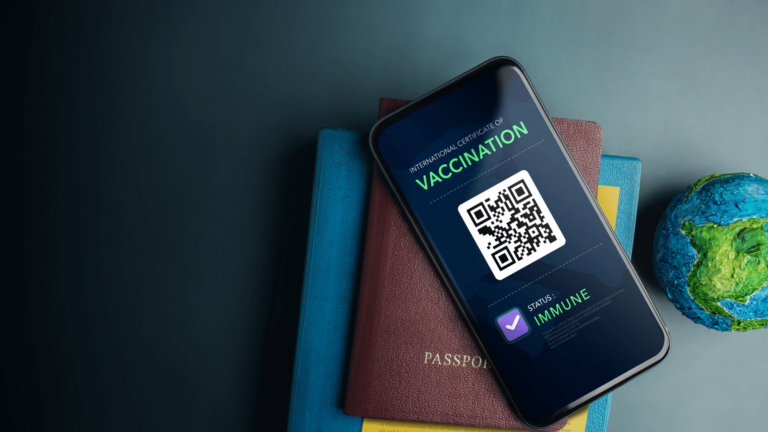
5. Fraudulent QR Codes
QR code scams continue to grow.
Criminals place fake QR code stickers over legitimate ones on parking meters, restaurant menus, ticket machines, and tourist attractions. Others send QR codes through text messages claiming to relate to airline check in, toll payments, or traffic fines.
Scanning the code directs victims to counterfeit payment or login pages.
Protect yourself: Inspect QR codes before scanning and avoid using codes sent in unsolicited messages.
6. Airport and Hotel Evil Twin Wi Fi
An evil twin attack occurs when criminals create a wireless network with a believable name such as Airport Free WiFi or Hotel Guest.
The fake login page may capture your email address, password, or payment information. Even legitimate public Wi Fi can expose sensitive activity if it is not properly secured.
Protect yourself: Confirm the correct network name with staff and use cellular data whenever accessing banking, shopping, or other sensitive services.
7. Rental Car Toll and Traffic Texts
Travellers who recently rented a vehicle may receive messages claiming they owe a small toll, parking fee, or traffic fine.
The relatively small amount makes the request seem believable, but the payment link leads to a phishing site designed to steal financial and personal information.
Protect yourself: Verify any tolls or fines directly through the rental company or the official transportation authority.
8. Fake Flight Changes and Refund Notices
Scammers also send fake notifications claiming your flight has changed, your baggage fee remains unpaid, your refund is ready, or your travel credit is about to expire.
The goal is to lure you to a counterfeit airline login page where criminals steal both your password and any one time authentication codes.
Protect yourself: Ignore links in unexpected messages and check your reservation through the airline’s official app instead.
9. Free Vacation and Cruise Offers
Automated calls, emails, and social media advertisements often promise free or heavily discounted vacations using the names of well known travel brands.
Victims are asked to provide personal information and pay a small deposit, only to receive nothing or an inferior package with significant restrictions.
Protect yourself: Be skeptical of offers that seem too good to be true and verify promotions directly with the travel provider.
The Simplest Rule for Staying Safe
One habit can prevent the vast majority of travel scams.
Never resolve an unexpected travel problem using the link, phone number, or QR code that delivered the warning.
Instead:
- Open the airline, hotel, or booking company’s official app yourself.
- Type the company’s website directly into your browser.
- Contact customer support using the number listed on the official website.
If anyone asks you to pay using gift cards, cryptocurrency, wire transfers, or payment outside the official booking platform, end the conversation immediately.
Recent Travel Cybersecurity Statistics
The numbers show just how widespread travel fraud has become.
- 38% of U.S. travellers surveyed reported encountering a travel scam.
- 41% of those affected lost money, and nearly half lost more than US$500.
- 63% of travellers reported using public WiFi while travelling, while 22% admitted accessing financial apps over public networks.
- Norton researchers identified 350 compromised accommodations across 50 countries, affecting approximately 38,000 hotel, hostel, and rental rooms.
- McAfee found that Tripadvisor was impersonated roughly three times more often than other major travel platforms it studied.
- A single Booking.com phishing campaign generated 532 reports and approximately £370,000 in reported losses in the United Kingdom.
- Canadians reported more than $704 million in fraud losses during 2025, including $67.9 million linked to spear phishing attacks.

Frequently Asked Questions
What are the most common travel booking scams?
The most common scams include fake accommodation listings, cloned airline and booking websites, fraudulent booking confirmation messages, fake customer service representatives, and requests to make payments outside official booking platforms.
What types of travel websites should I avoid?
Be cautious of websites reached through advertisements, unfamiliar sites offering unusually large discounts, misspelled domain names, newly created travel agencies, and any website requesting payment by wire transfer, cryptocurrency, or gift cards.
What should travellers watch for after arriving?
Be alert for fake airport or hotel WiFi networks, fraudulent QR codes, public computers, suspicious payment requests from hotels, and unexpected calls asking you to repeat your credit card information.
Is it safer to use a credit card while travelling?
Yes. Credit cards and secure digital wallets generally offer stronger fraud protection than debit cards. Enable instant transaction alerts, avoid making payments over public WiFi, and never send payment information through email, text message, or WhatsApp.
How can travellers best protect themselves?
Book directly through official websites or mobile apps, enable multifactor authentication, use cellular data for sensitive transactions, and independently verify every urgent payment request, cancellation notice, or account alert before taking action.
Final Thoughts
Travel scams are becoming more personalized, more convincing, and more difficult to spot. The good news is that most attacks rely on one thing: getting you to act quickly without verifying the request.
A few extra seconds spent opening the official app, checking your reservation directly, or confirming a payment request through trusted channels can save you hundreds or even thousands of dollars and help protect your personal information throughout your trip.



 English
  French
  Chinese
  Spanish
  Ukrainian